
The Olive Trail - Druze Villages

Overview & Essence
The Druze Olive Route is an innovative community-based tourism initiative spanning 12 scenic villages across the Galilee region in northern Israel (from Abu Snan and Yarka in the west to Peki'in, Beit Jann, and Maghar in the upper and central Galilee). Developed through a multi-year partnership between Israel’s Ministry of Tourism, the Galilee Development Authority, and the Socio-Economic Development Authority for the Druze and Circassian Sectors, the project leverages rural tourism to empower local communities while honoring centuries of unique tradition.
Living Heritage Centered on the Olive Tree
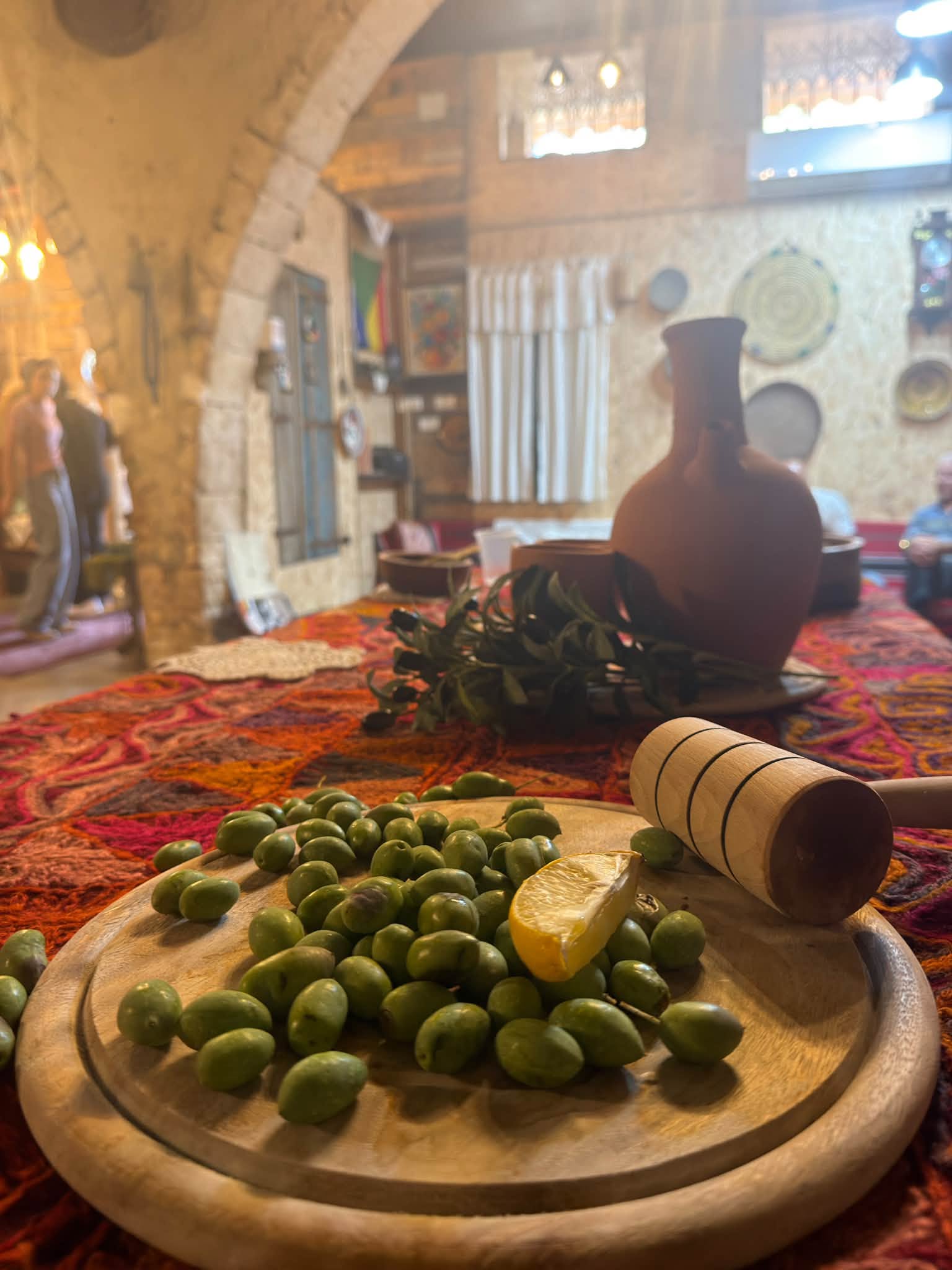
For generations, the olive tree has stood as a universal symbol of endurance, peace, identity, and deep-rooted connection to the land. The route transforms this agricultural cornerstone into an immersive cultural journey. Rather than passive sightseeing, visitors actively engage in the living heritage of the Druze community through seasonal olive harvests (peaking during the October–November Olive Festival), traditional olive oil production in authentic stone mills, and hands-on culinary workshops led by local homemakers and culinary artisans.
Sustainable, Resident-Led Community Tourism
At the heart of the project lies genuine human connection. The Druze Olive Route avoids over-commercialized tourism, focusing instead on intimate, respectful encounters that directly benefit resident entrepreneurs, female empowerment, small family businesses, and local farmers. Travelers are invited into authentic homes to experience traditional Druze hospitality, hear village elders share historical narratives, and gain meaningful insight into the philosophy, heritage, and values that define this unique, resilient community.
Why It Fits the Sunflower Vision?
Exemplifying best practices in sustainable rural regeneration, the Druze Olive Route models how regional cross-village collaboration can preserve agro-cultural landscapes, foster cross-cultural understanding, and stimulate inclusive local economies. It bridges tradition with contemporary sustainable travel—celebrating authenticity, soil, and human fellowship.